Understanding Project Management in Construction
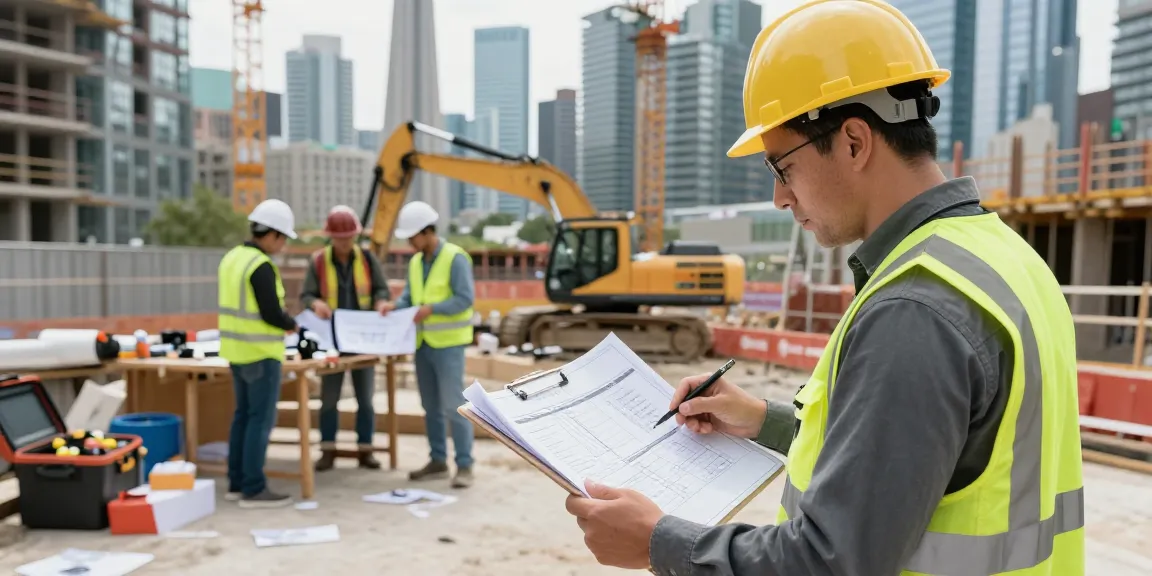
In the bustling construction landscape of Toronto, effective project management serves as the backbone of successful project execution, ensuring that projects are completed on time, within budget, and to the highest quality standards. With a unique blend of technical expertise, leadership skills, and strategic planning, project managers in this field face a myriad of challenges yet have untold opportunities to enhance the built environment. By exploring Project management construction toronto, stakeholders can obtain valuable insights into navigating these complexities.
What is Project Management in Construction?
Project management in construction refers to the application of knowledge, skills, tools, and techniques to project activities to meet project requirements. It encompasses all phases of a construction project—from initial planning and design to execution, monitoring, and closure. The objective is to ensure efficiency and effectiveness in project execution while managing resources, schedules, and budgets.
The Importance of Effective Project Management
Effective project management is crucial in the construction industry for several reasons:
- Resource Optimization: Proper project management ensures that resources, including labor, materials, and equipment, are allocated and utilized efficiently.
- Risk Management: Identifying potential risks early in the project and developing mitigation strategies helps prevent costly delays and overruns.
- Quality Control: Consistent monitoring of work quality throughout the project lifecycle helps maintain standards and regulatory compliance.
- Stakeholder Satisfaction: Clear communication and transparency with stakeholders foster trust and satisfaction, enhancing the likelihood of repeat business.
Key Roles and Responsibilities in Construction Projects
A successful construction project requires coordination among various stakeholders. Key roles include:
- Project Manager: Oversees the entire project, ensuring alignment with goals, managing budgets, and leading the team.
- Site Manager: Responsible for day-to-day operations on-site, including supervising staff and ensuring adherence to safety protocols.
- Architects and Engineers: Design and plan the project, ensuring technical feasibility and regulatory compliance.
- Contractors and Subcontractors: Execute the work as per standards and schedules, collaborating with project managers on timelines and deliverables.
Essential Techniques for Successful Project Management
Agile vs. Traditional Project Management Approaches
Project management methodologies can significantly impact the success of construction projects. Traditional methods, often referred to as “waterfall,” rely on sequential phases—planning, executing, and closing—while Agile methodologies embrace flexibility and adaptability, allowing for iterative development and continuous feedback. This flexibility is particularly beneficial in construction, where unforeseen issues often arise, and quick adjustments are necessary to maintain project momentum.
Utilizing Project Management Software Efficiently
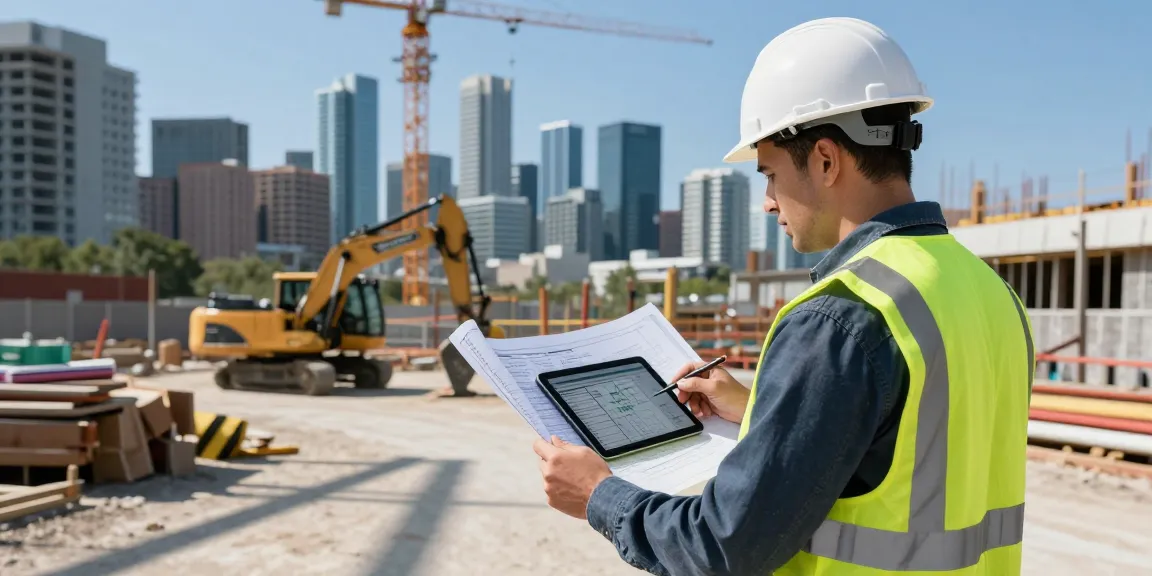
Leveraging project management software can streamline the construction process. Tools like Microsoft Project, Procore, or Trello enable project managers to track progress, manage resources, maintain budgets, and facilitate communication among team members. Utilizing these tools effectively can lead to improved project outcomes.
Best Practices for Scheduling and Budgeting
Successful project management hinges on sound scheduling and budgeting practices:
- Develop a Realistic Timeline: Use historical data and industry benchmarks to create achievable timelines, incorporating buffers for unforeseen delays.
- Monitor Expenses Closely: Regularly review expenses against the budget to identify variances early and adjust as needed.
- Regular Updates: Keep all stakeholders informed of progress and changes to the schedule or budget to ensure alignment.
Challenges Faced in Toronto’s Construction Projects
Common Issues in Project Management in Toronto
Toronto’s construction projects face unique challenges, including urban density, zoning regulations, and community opposition. Navigating these hurdles requires strategic planning and robust stakeholder engagement.
Regulatory Challenges and Compliance Standards
Compliance with local building codes and regulations is paramount in Toronto’s construction landscape. Project managers must stay updated on changing laws and ensure that all aspects of the project meet these standards to avoid penalties and delays.
Managing Stakeholder Expectations Effectively
With multiple stakeholders involved, managing their expectations is critical. Regular communication, transparent reporting, and involving stakeholders in decision-making processes can mitigate misunderstandings and foster collaborative relationships.
Case Studies: Success Stories in Project Management
Overview of Successful Toronto Construction Projects
Examining successful projects in Toronto can provide insight into effective project management practices. For example, the restoration of heritage buildings showcases strong project management by balancing preservation with modern functionality, leading to community acclaim and economic revitalization.
Lessons Learned from Projects in 2025
Reflecting on past projects can yield valuable lessons. For instance, projects that prioritized stakeholder engagement and adaptive planning demonstrated better outcomes, emphasizing the need for flexibility in the face of challenges.
Impact of Technology on Project Success
Technology continues to revolutionize construction project management. From building information modeling (BIM) to drone surveys, employing cutting-edge technologies enhances accuracy, reduces waste, and improves overall project delivery.
Future Trends in Construction Project Management
Emerging Technologies to Watch in 2026
As we look toward 2026, several emerging technologies are poised to impact construction project management:
- Artificial Intelligence: AI can optimize scheduling and resource allocation by analyzing vast datasets.
- Virtual Reality (VR): VR allows stakeholders to visualize projects before they are built, improving design and reducing misunderstandings.
- Augmented Reality (AR): AR applications aid in on-site training and real-time project monitoring.
Predictions for the Toronto Construction Industry
As Toronto continues to grow, the demand for innovative construction solutions will rise. Trends toward sustainable building practices, such as green certifications and energy-efficient designs, will shape the future landscape of construction in the city.
Developing Skills for Future Project Managers
To succeed in the evolving landscape of construction project management, future leaders must cultivate a diverse skill set. Training in new technologies, understanding regulatory environments, and honing soft skills like communication and negotiation will be essential.
What Skills Are Essential for Future Success?
Key skills for future project managers include:
- Technical Proficiency: Familiarity with project management software and new construction technologies.
- Leadership: The ability to inspire and lead diverse teams effectively.
- Analytical Skills: Data-driven decision-making will become increasingly important.
- Negotiation Skills: Balancing stakeholder interests while achieving project goals will be a defining trait.